Hello from Stirling, Scotland! We had the lovely opportunity to visit Stirling last weekend with Colin, his brother Niall and his wife Michelle. We strolled around the traditional roads and had a…
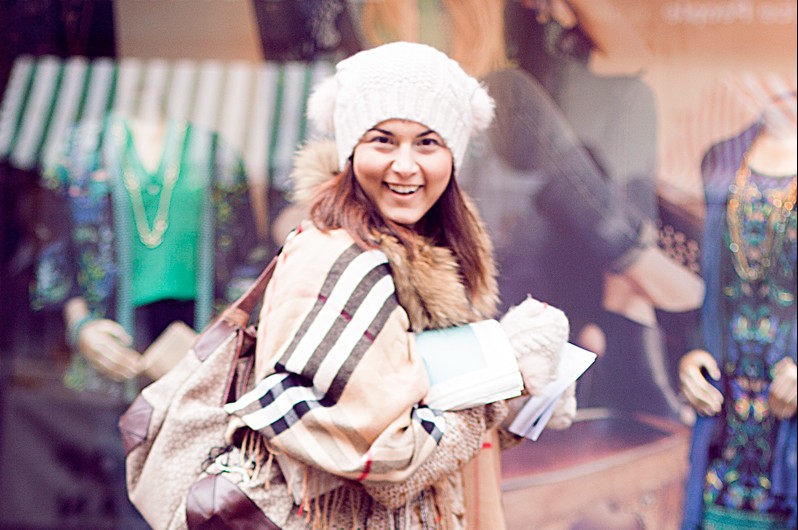

Hello from Stirling, Scotland! We had the lovely opportunity to visit Stirling last weekend with Colin, his brother Niall and his wife Michelle. We strolled around the traditional roads and had a…
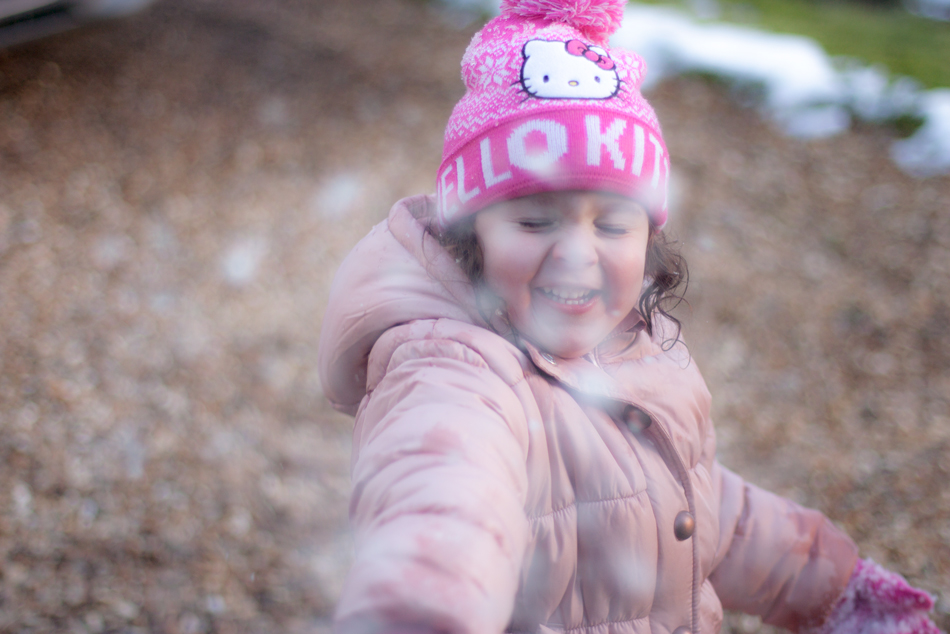
I do hope this was the last snow for this winter. Don’t get me wrong…snow is not something I hate. I love the white little snowflakes coming down the sky and dressing…
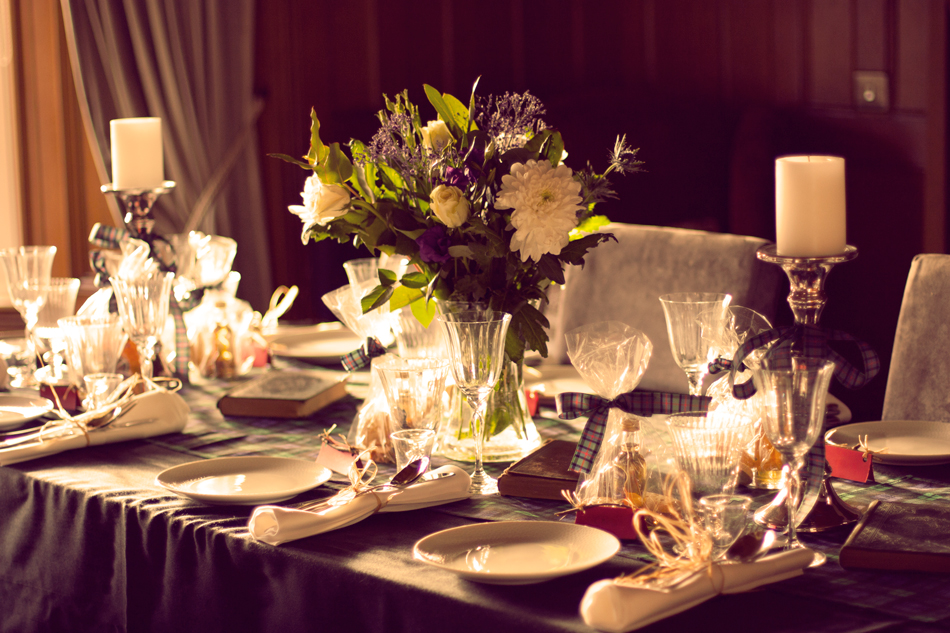
Last Saturday I hosted a Burns night dinner at my house. This is a very traditional and exciting day for the Scots where they celebrate Robert Burns, the national poet of Scotland.…
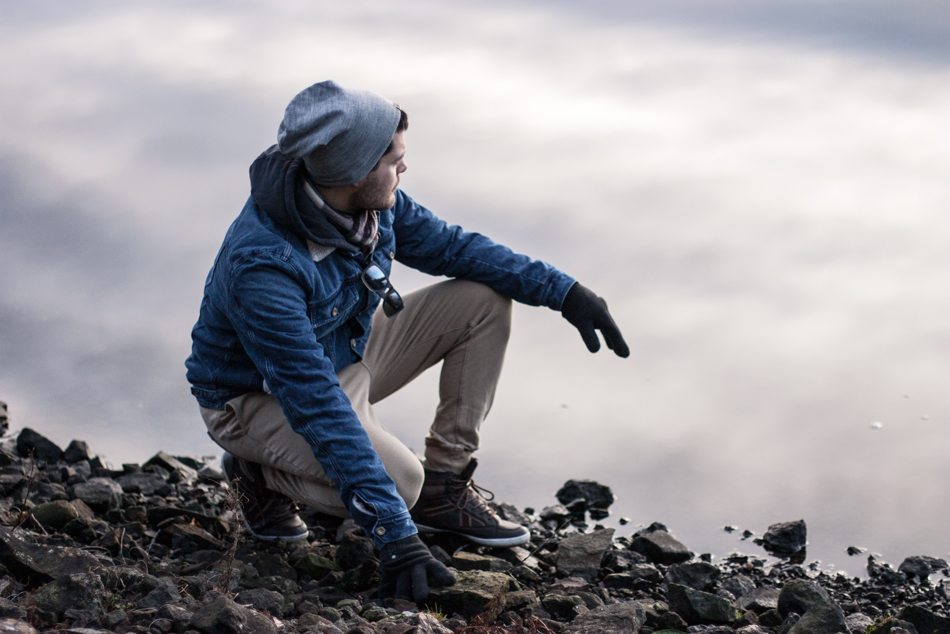
I am so proud to present a series of portraits that I took of my little (!) brother Andreas on Christmas day around one of my favourite locations, the Milngavie Reservoir just…
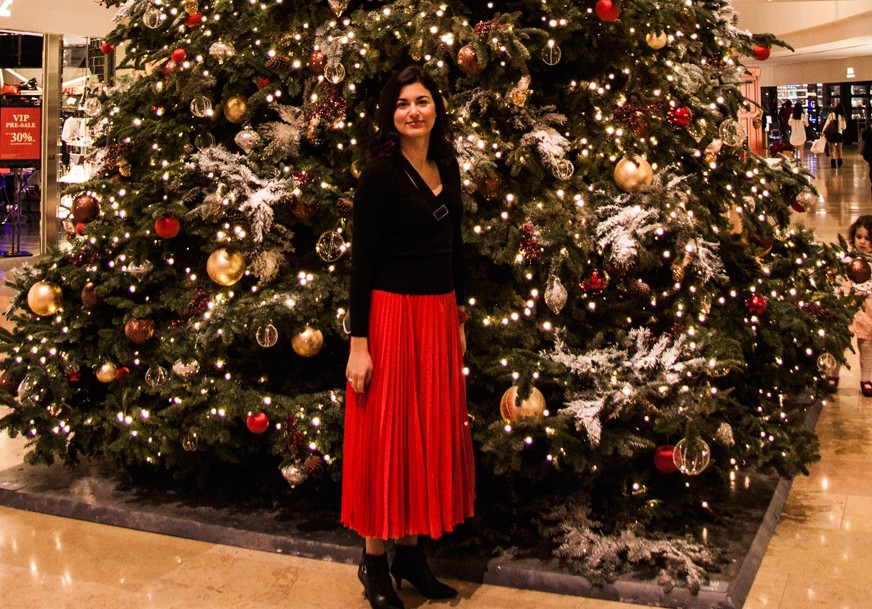
Merry Christmas to all my friends! I thought that a post full of our recent Christmas photos as a family would be the most appropriate thing to send out today. They are…
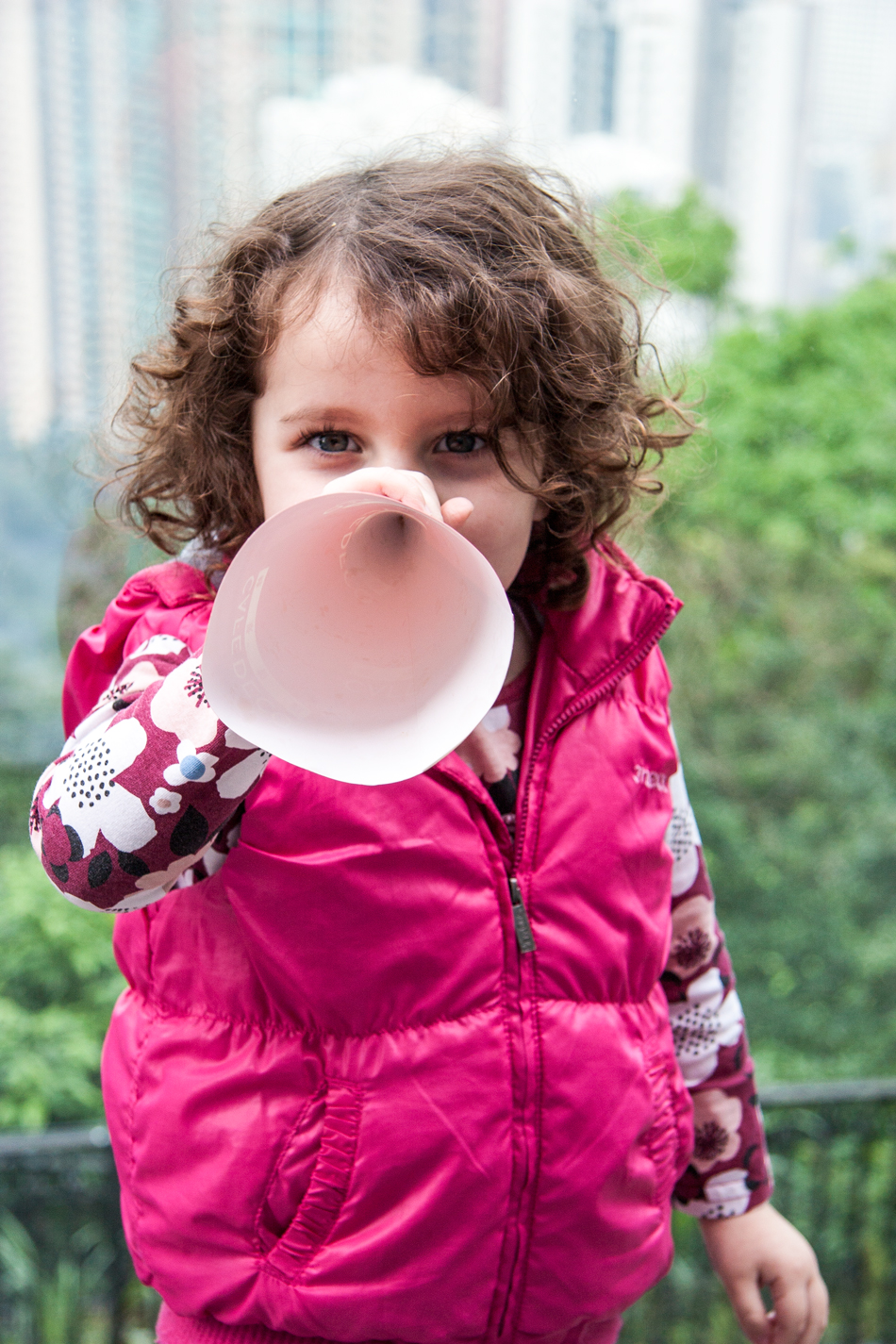
What do you think of the second part of the Hong Kong diary? Scarlett is calling you all to enjoy them from the Peak. We got the traditional tram to go up…

Hong Kong is a city of the future, especially when it comes to technology. While we were there, I observed all the gadgets that people used in their everyday life. Some useful,…
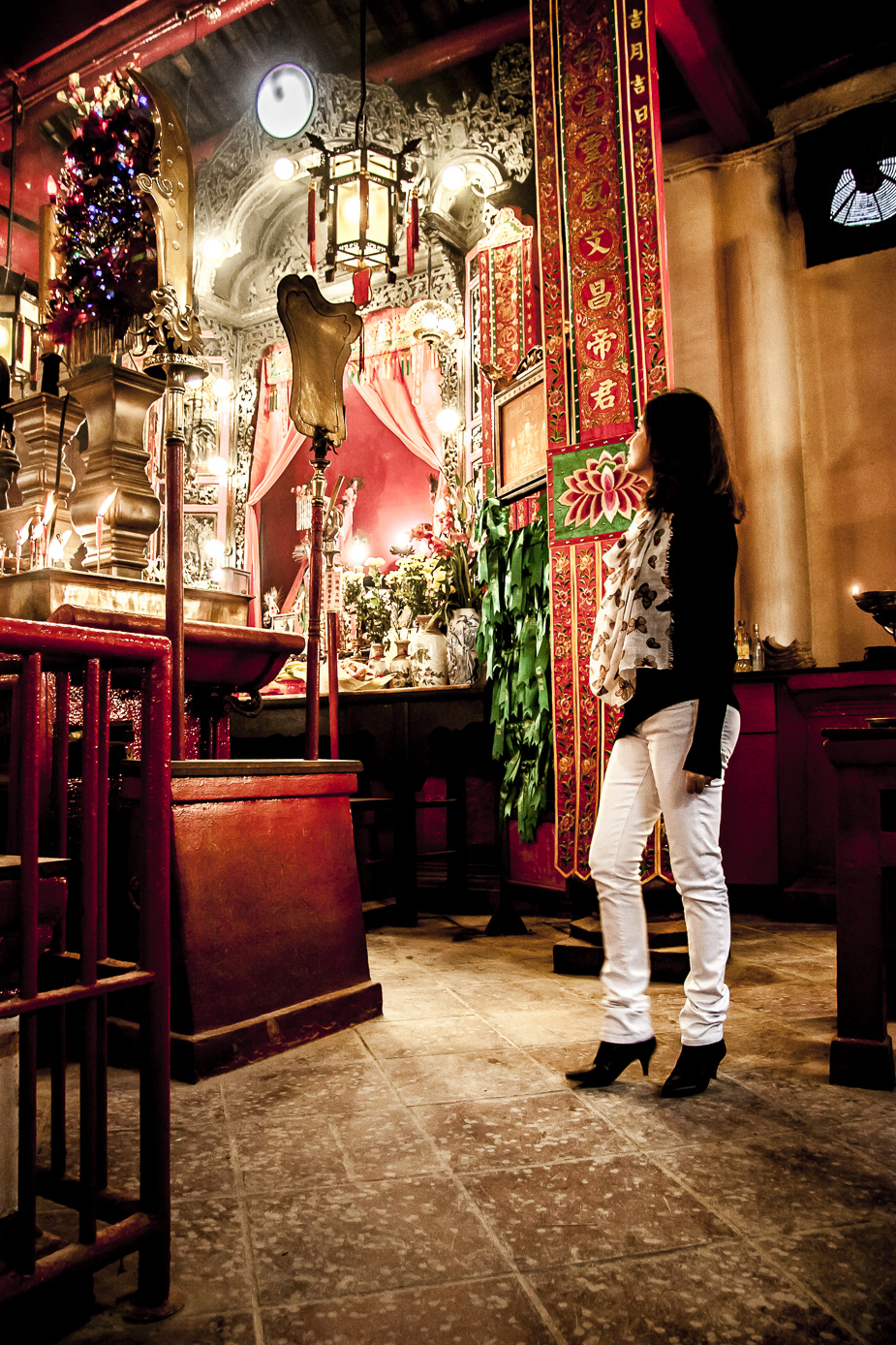
I have been so excited about this trip. We were invited to Hong Kong some months ago, and the last few days the excitement was just getting bigger and out of control!…
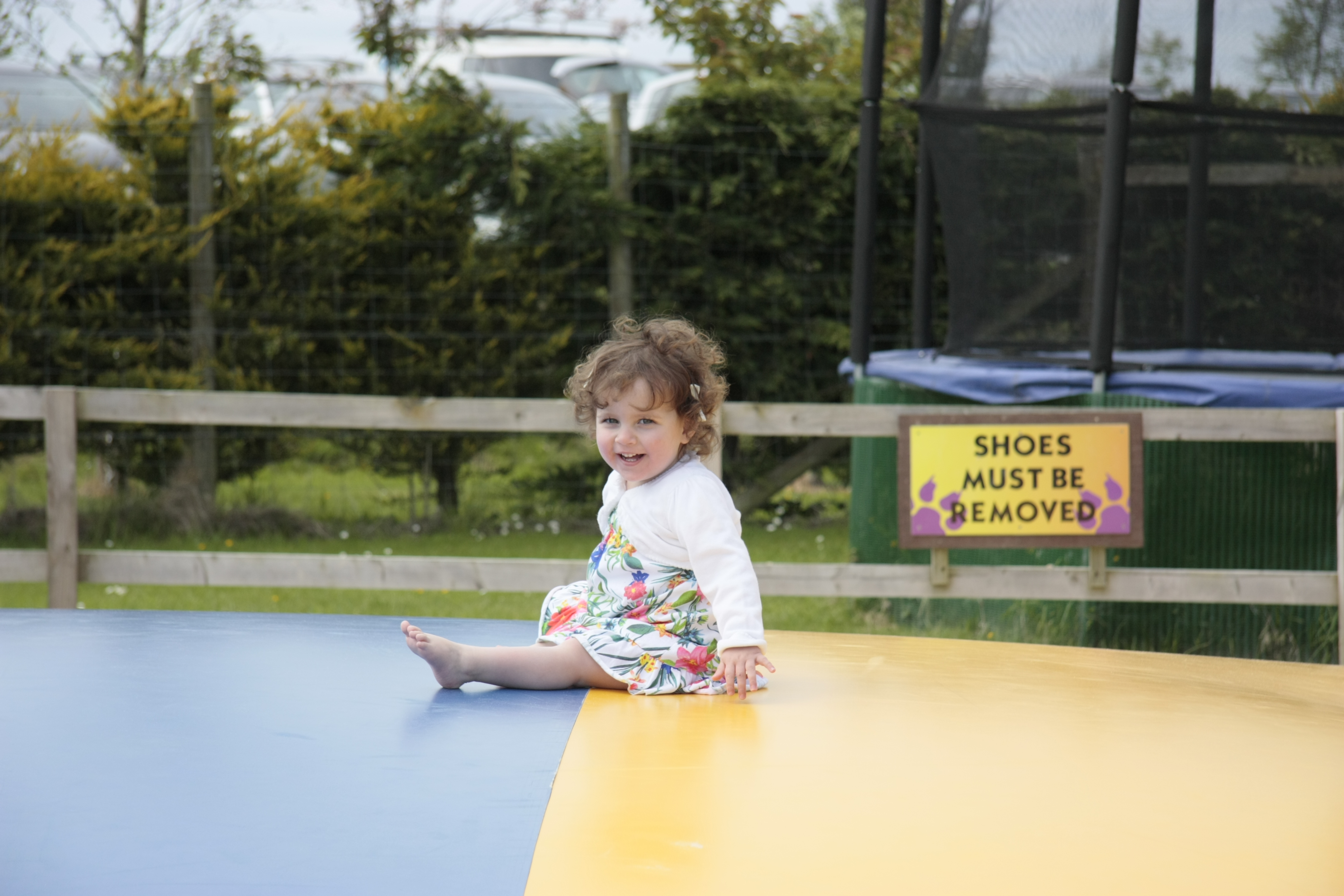
Hello and goodmorning! So I have been nominated by Lesley on Facebook to choose and show you 5 photos that make me smile! What a brilliant idea! It is actually quite early…
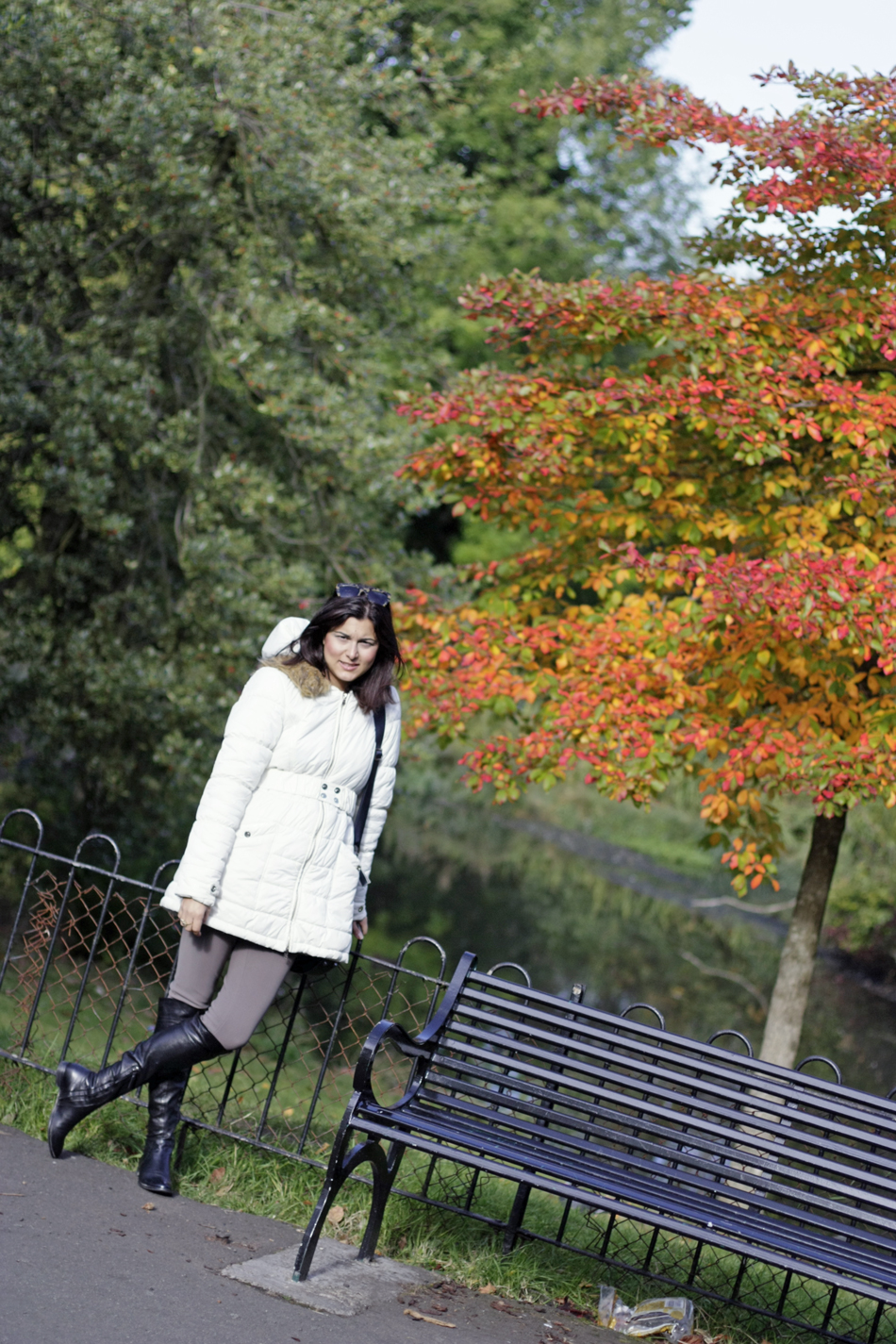
It is this time of the year that the trees dress up in their autumn leaves, showing of colours of unique palettes and beauty. Autumn colours are my favourite as they complement…
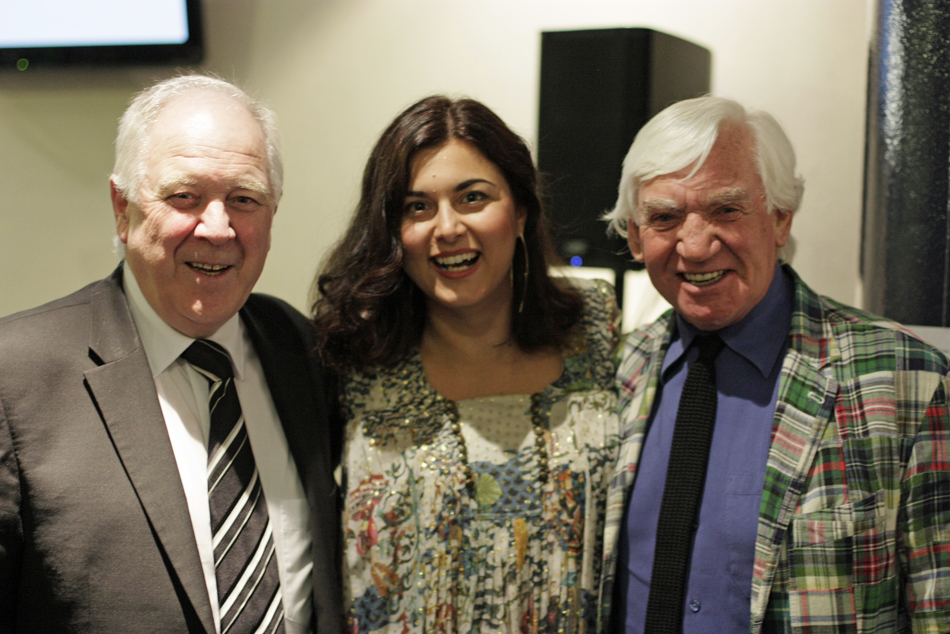
Colin and I were invited to the charity dinner of Alzheimer Scotland at the Hampden Park Stadium in Glasgow. It was so exciting to be part of this since working all these…
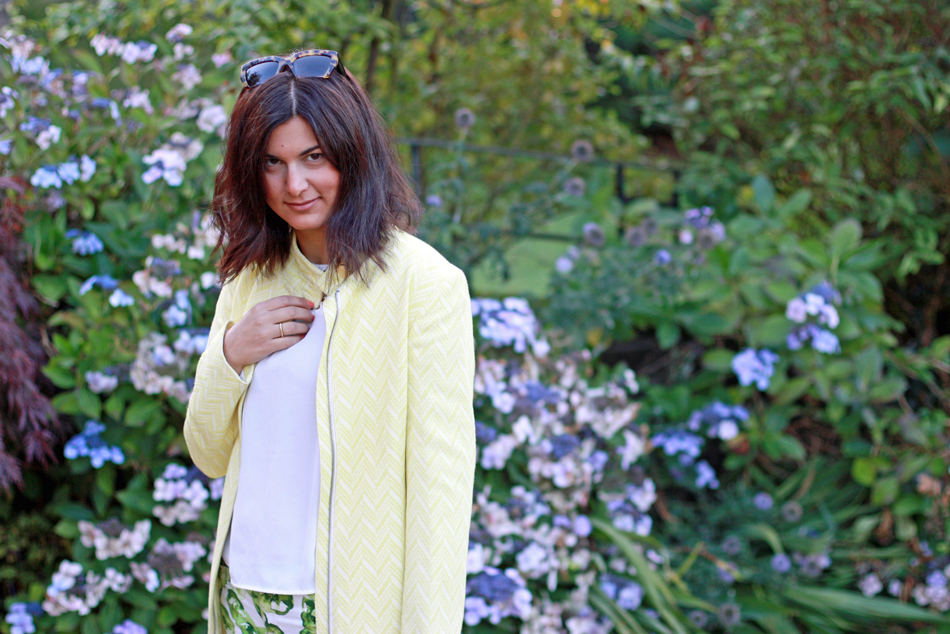
I have finally done it! I thought the ombre hair is starting to become old-fashioned plus everybody now wears it so it was time for a change. This is a new season…I…
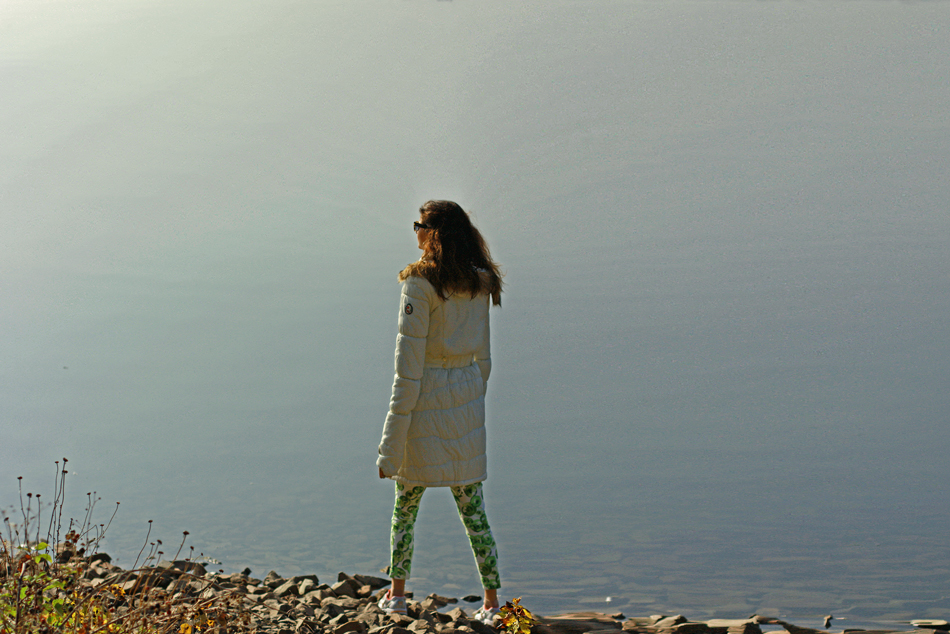
I was thinking the other day that our lives are full of stress. We stress about things little or big, work or family, friends or foes. We stress because we are afraid.…
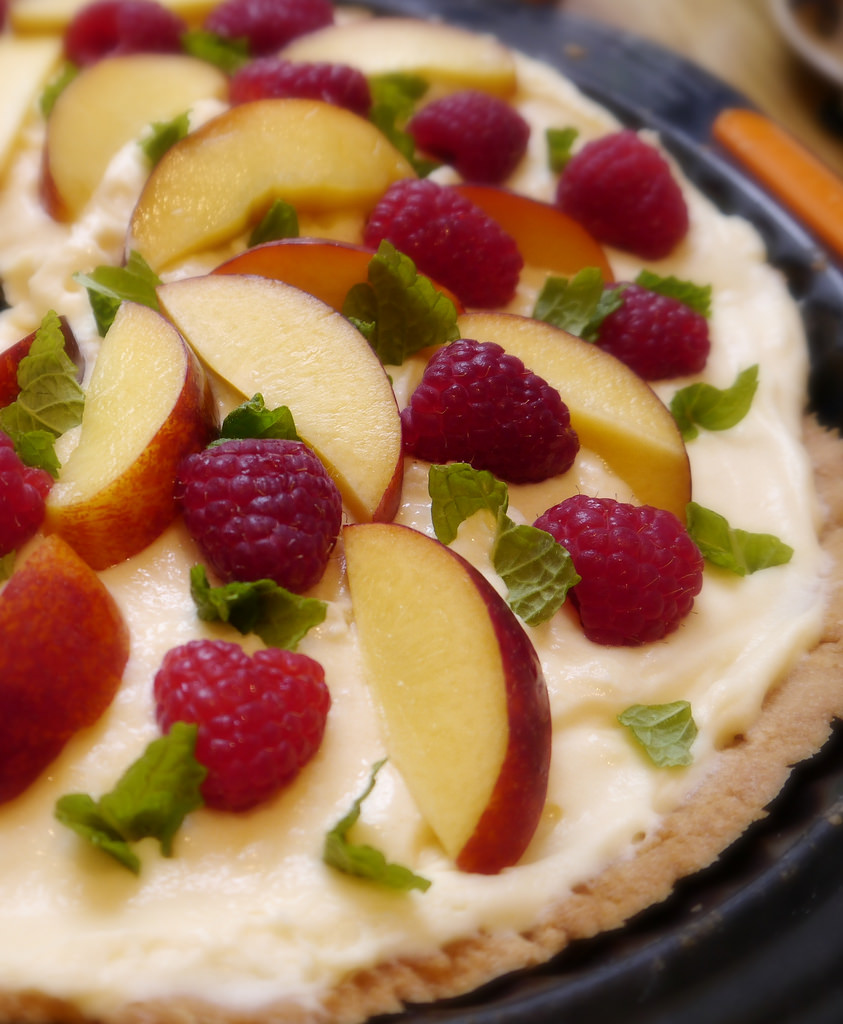
Imagine yourself in a warm summer evening. You have had a lovely evening meal and you are relaxing to some jazz with a glass of sweet wine. If only you could enjoy…
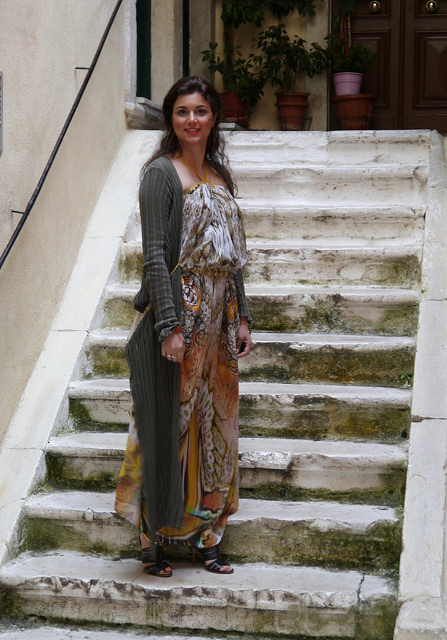
Many of you ask me what to do, where to go when you visit Corfu. Corfu for me is not just my hometown. It is one of the most beautiful places in…
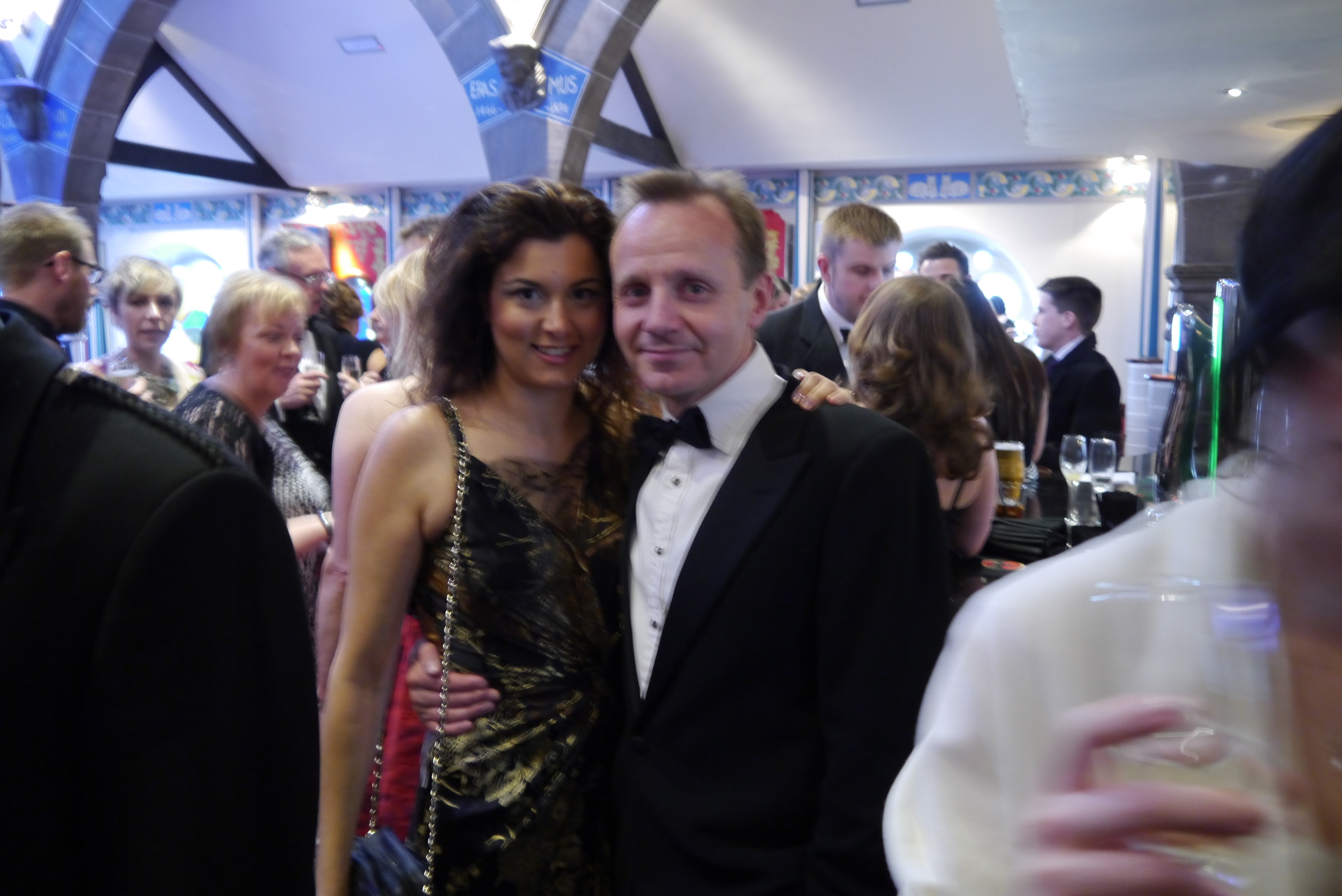
The last time I went to a ball was in 2009 for a Burns’ night dinner. So you can imagine my excitement when I was able to attend the hospital’s May ball…
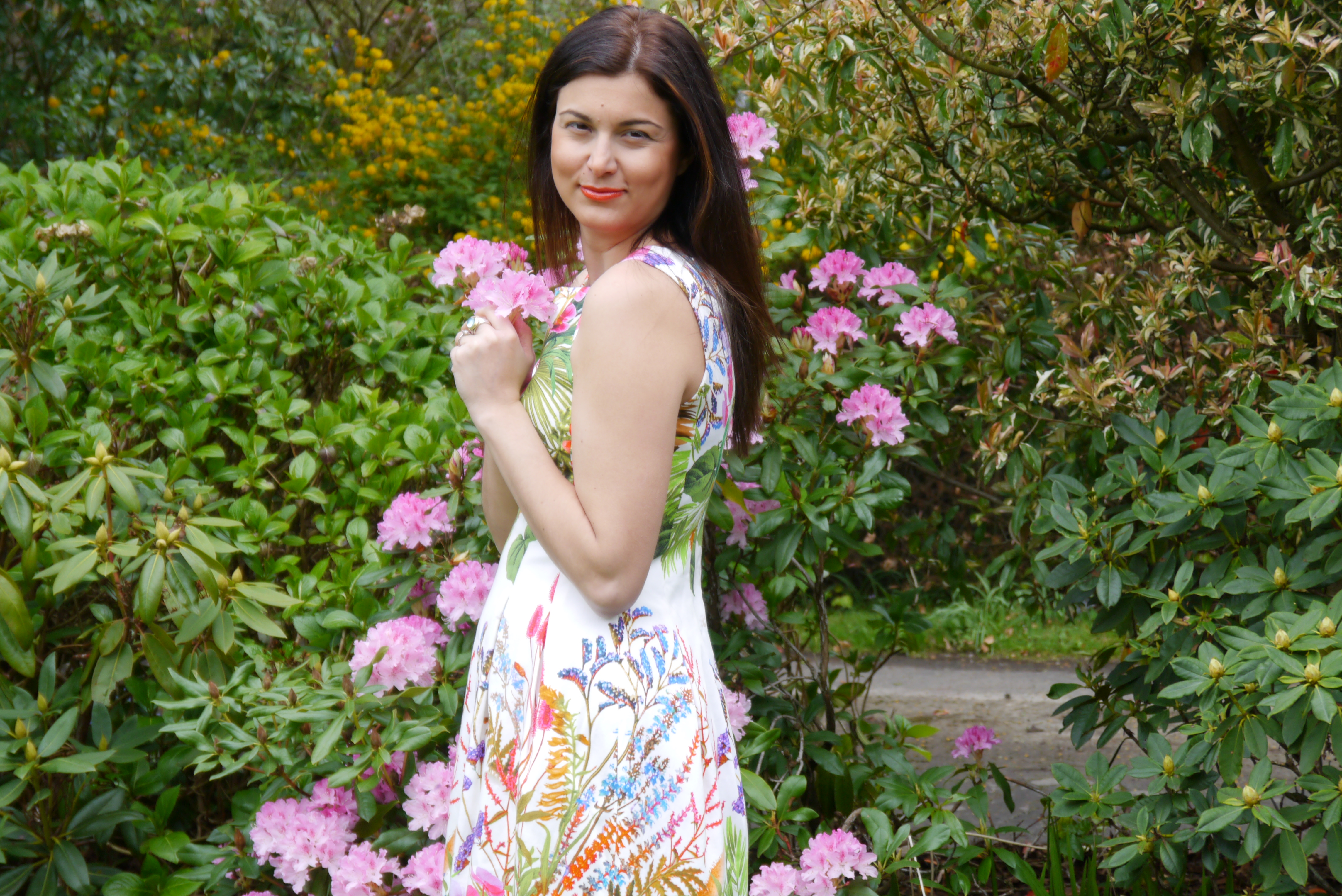
I am so delighted that spring is finally here. The temperature is warm, the sun is out more, the evenings are long and bright, the sky is blue and not grey any…
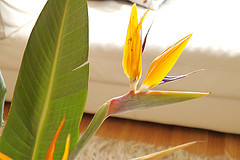
This is my favourite corner in the new house. I love chilling there listening to music and looking out to the garden which is flowering beautifully these days. One of my exciting…
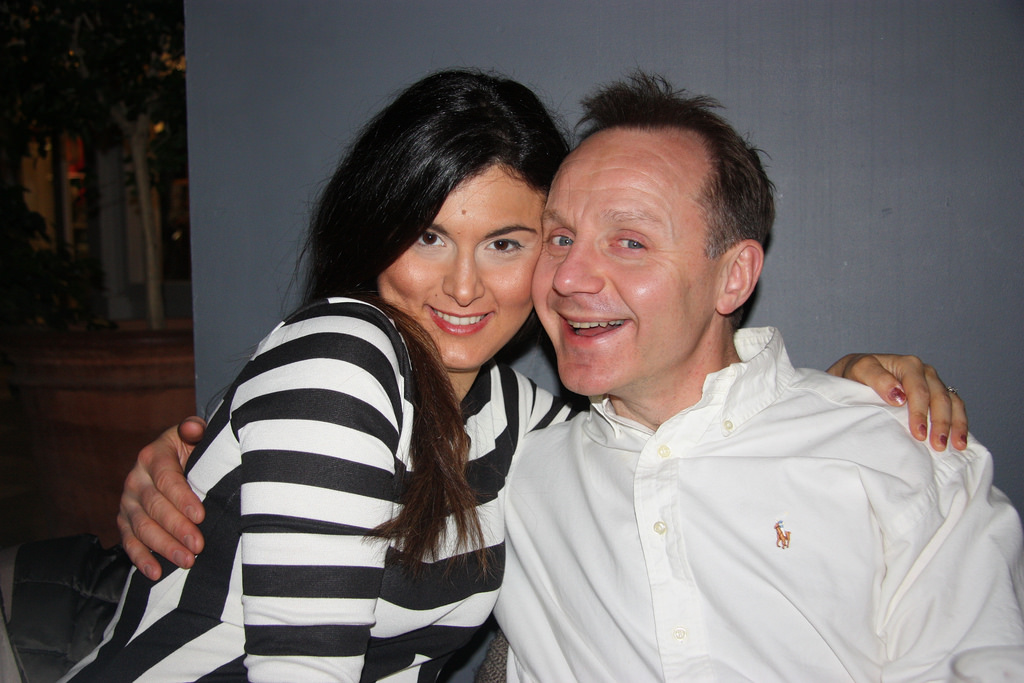
A few weeks ago we went to Centre Parcs in Cumbria. It was unexpectedly nice, and I say that because I am more of a city girl. The nice thing about this…
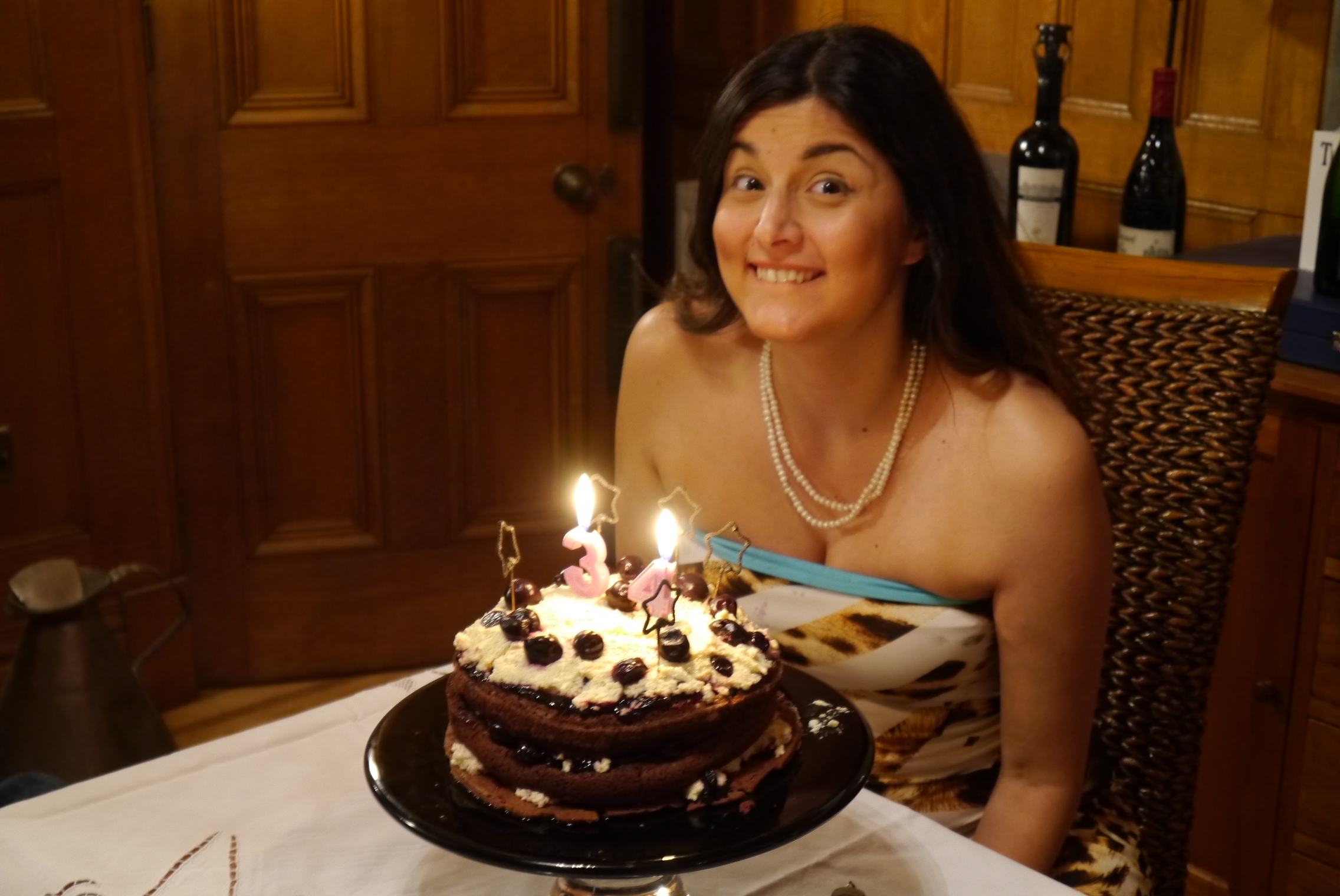
No I do not hide my age. I have been so lucky to have so many people around me full of love and wits. They enrich my life in so many different…
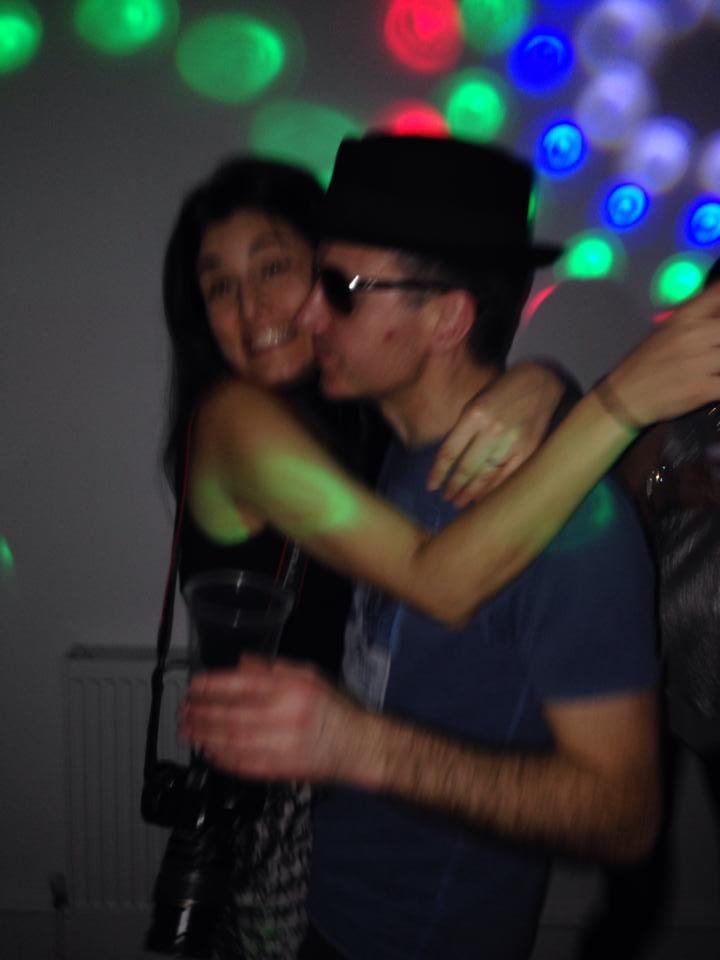
My sweetie had his 50th birthday a few days ago. He did not want to celebrate for months. He did not want anyone. He did not want anything. 3 weeks prior to…
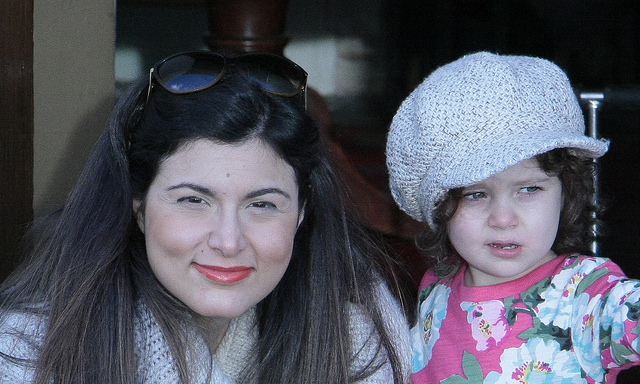
I am so looking forward to spring. The weather nowadays is cold, rainy and brutal with small reminders of sunshine to get us all lust for warmer days. We got to spend…

I had missed so much going out with the girls. Colin stayed in to babysit and I went out with Lyn first for dinner at Malmaison Glasgow and then we head to…
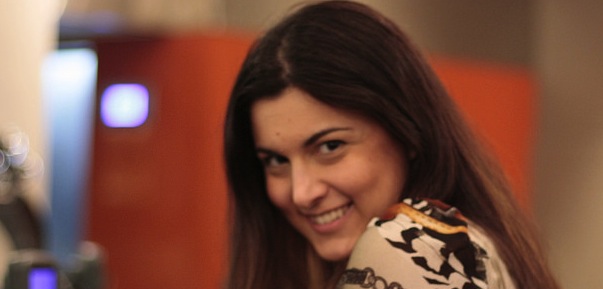
Yes it is finally here! Hard Rock Cafe has arrived in Glasgow and yesterday it hosted Clyde1 radio and the fabulous KT Tunstall! So excited to have visited this legendary place and…
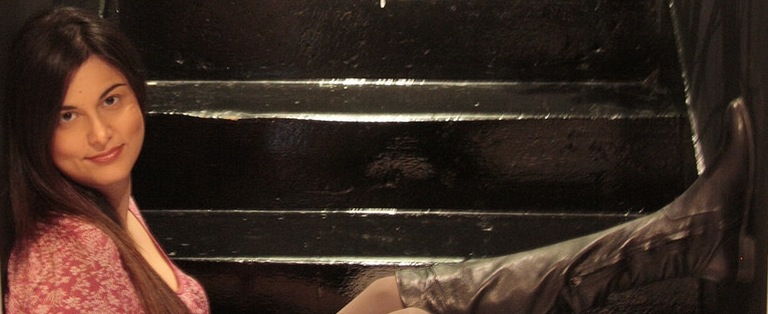
It has been so cold and wet the last few days that going out did not appeal to me as much as usual. Colin cooked some nice meals in the house (check…
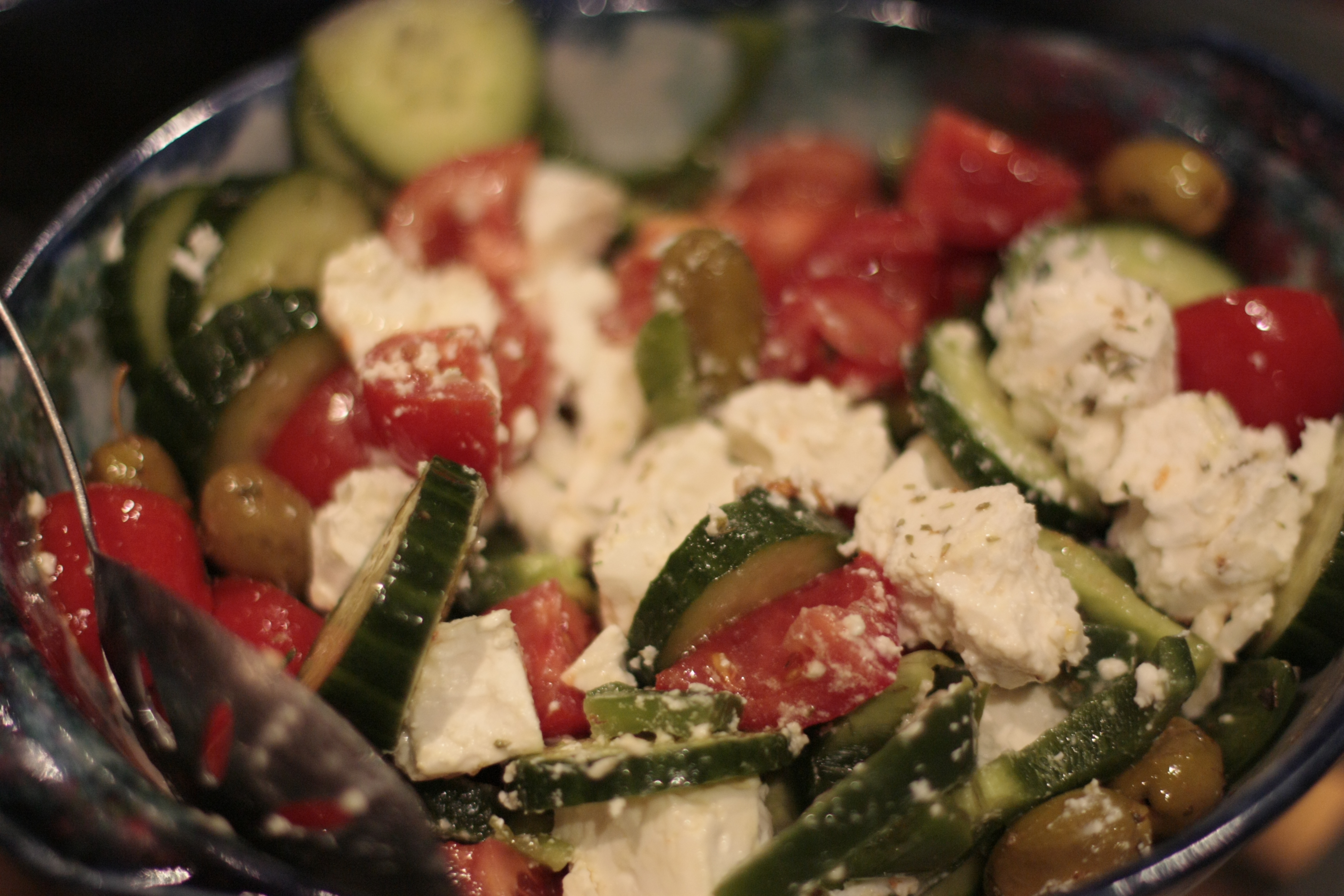
After my post on Greek stifado I received some very encouraging comments on how much people liked greek food and one of them on my twitter account (which you can follow here) evolved…
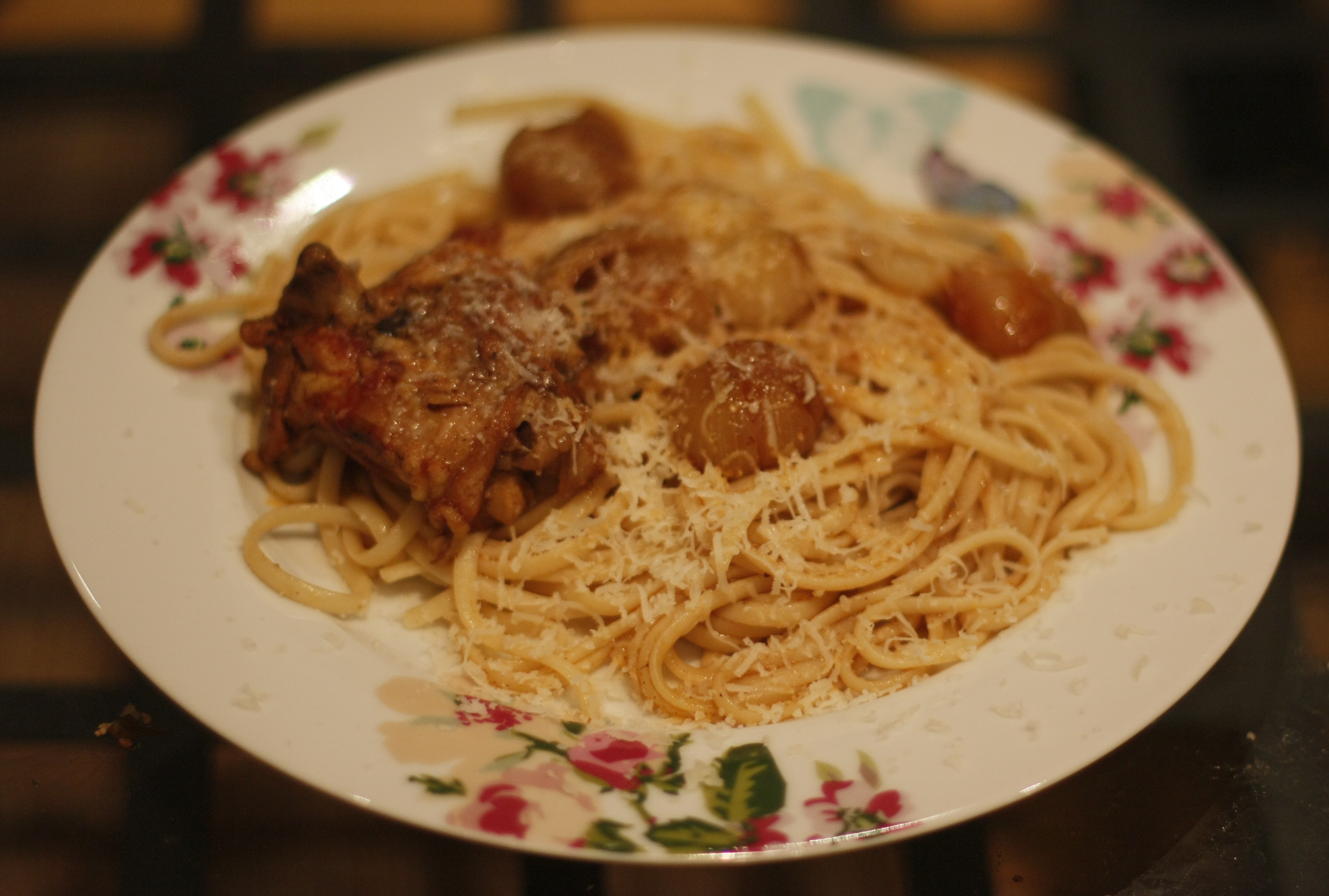
This is one of my favourite Greek dishes and this recipe works every time. So if you and your friends like Greek cuisine, I promise this is going to wow you all.…
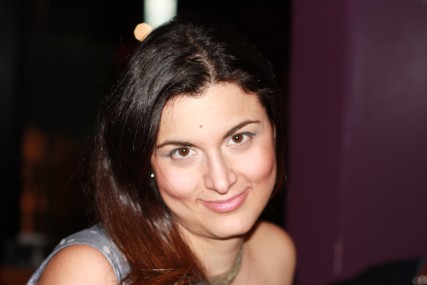
Exciting nights have passed and I am looking forward to the new posts about them. This one will show you what we were up to on Friday night. We went at a…
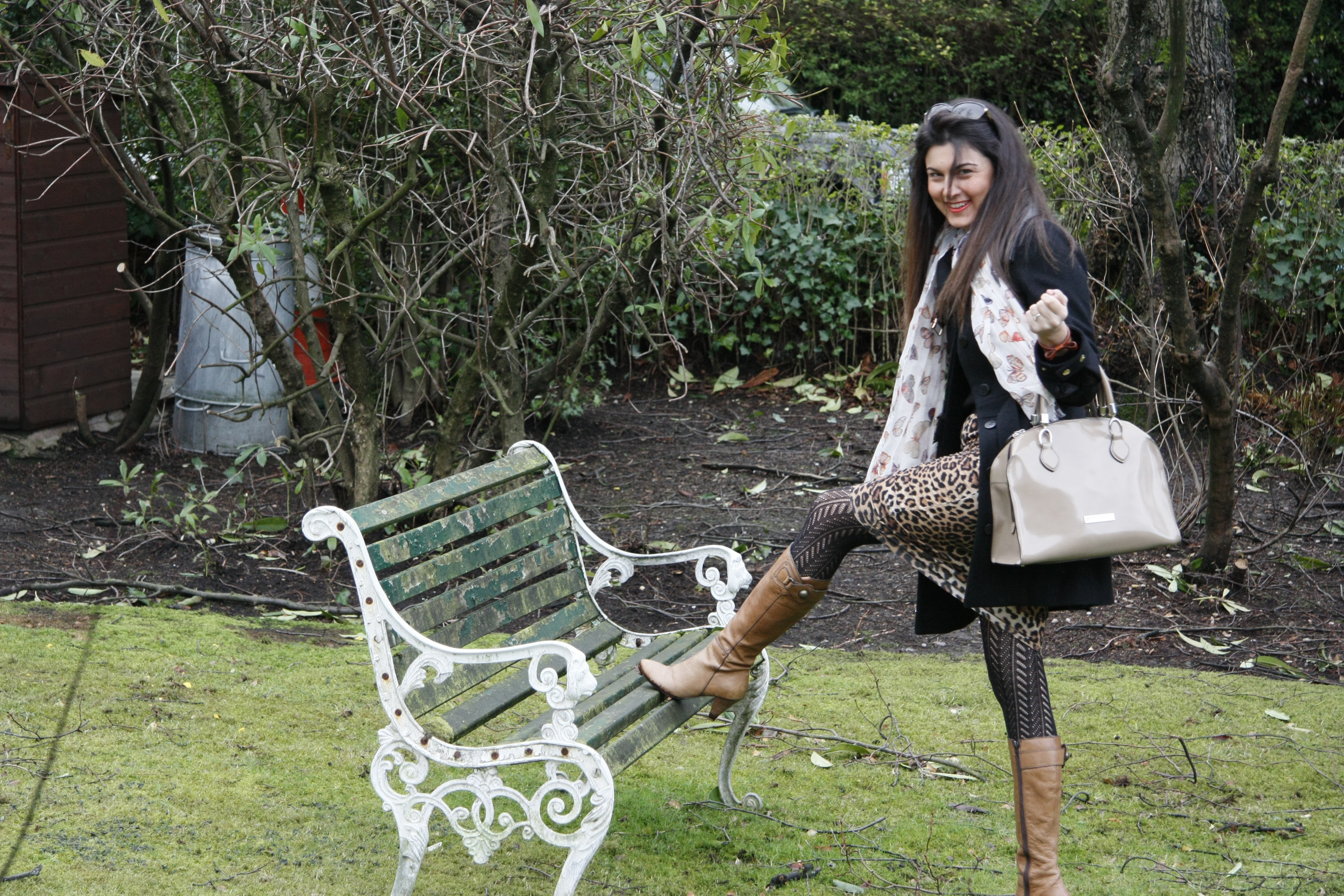
We are trying to calm down from the frenzy of the Christmas holidays and there is no better day to do this than spend some relaxing time with your family. Now when…
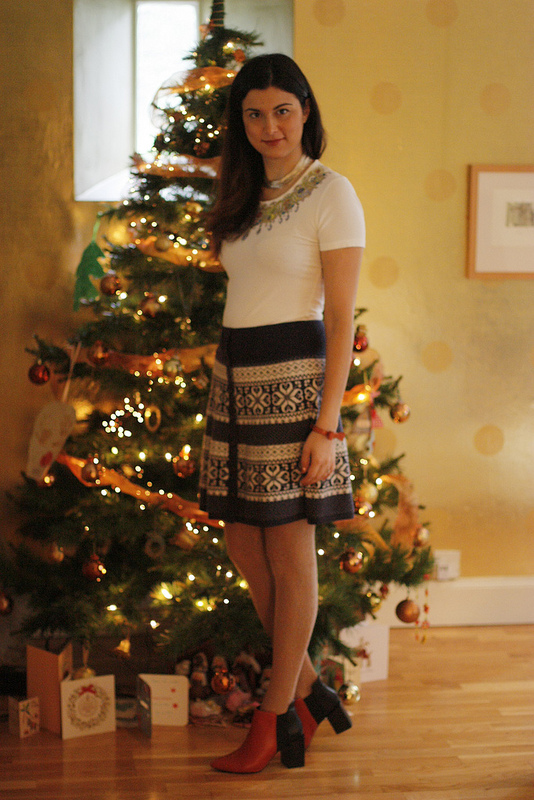
Happy New Year my friends! I had such a blast but I am so excited too for the new year that has just arrived. I am so lucky to have the best…
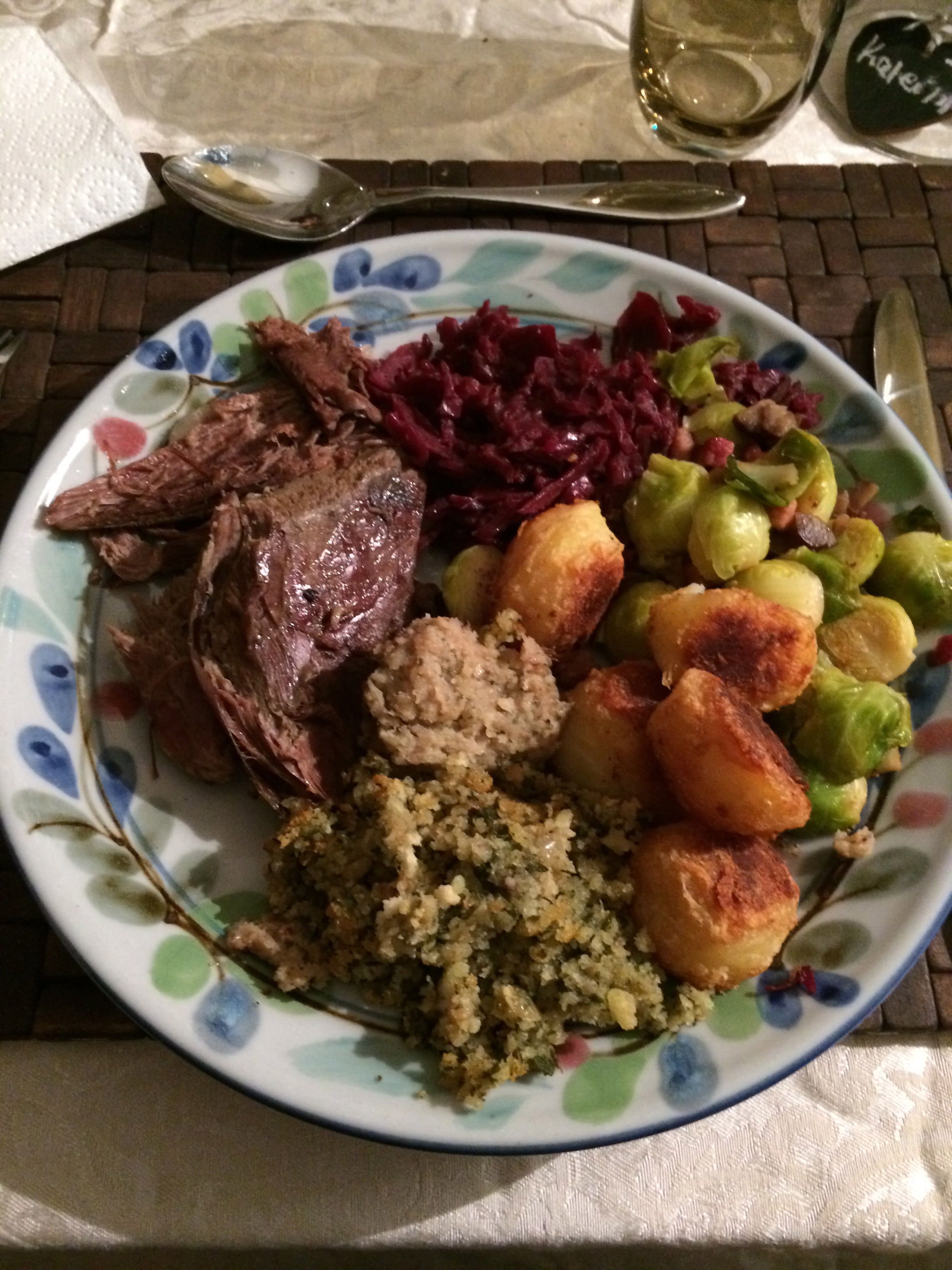
Merry Christmas to all! I am sure you have all been busy, seeing your loved ones and spending family time together. We have gathered around the fire (remember my mum is here…
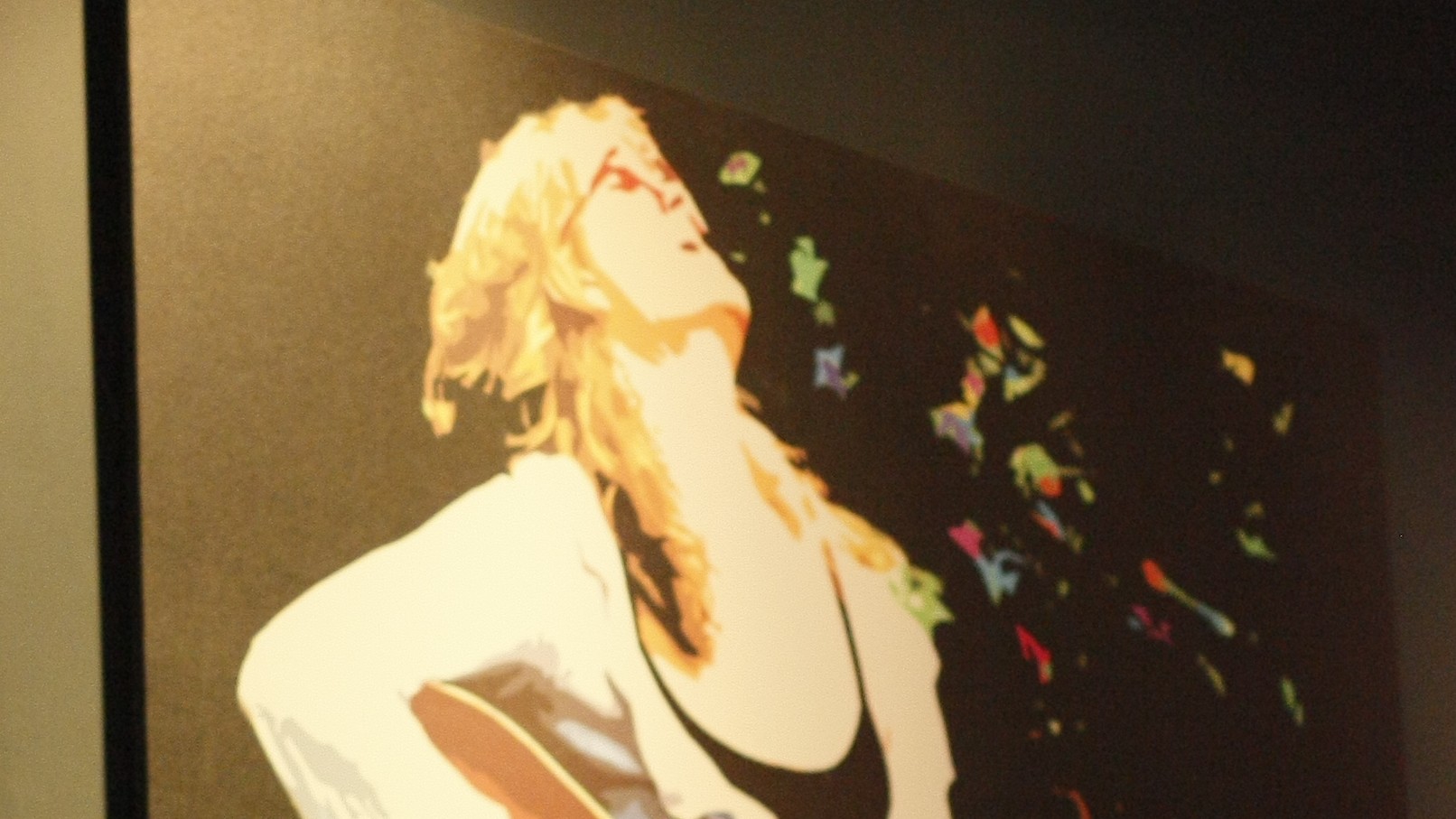
It was Sunday. Not just any Sunday though…before that it was Saturday and before that it was Friday. I know you know this. What you do not know is that on Friday…
The Christmas tree is up and Scarlett has given her Christmas signing concert…ooops I meant show…at the nursery dressed as a snowfairy (how cute was that)! She also got her first gift…
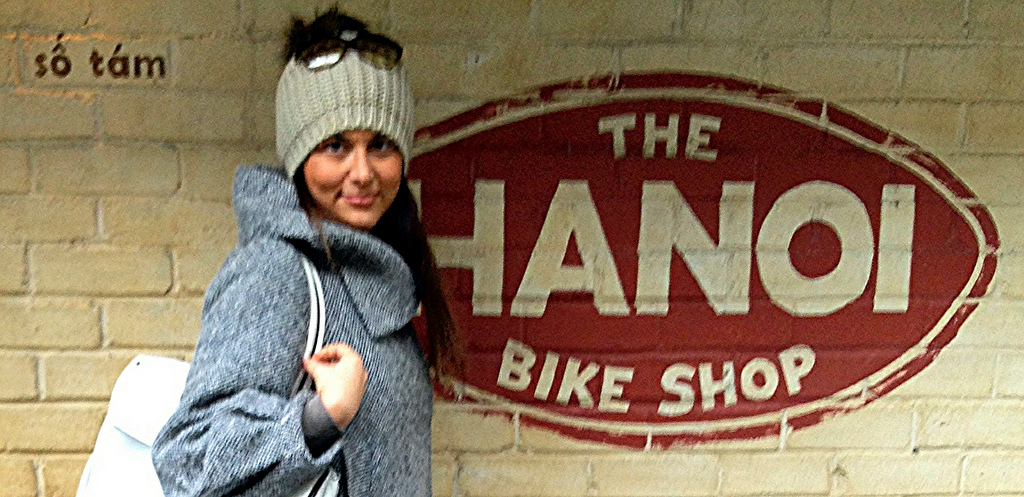
It is this time of the year when mummy arrives from Corfu! We go shopping, we go eating, we go promenading and have mother-daughter fun. Sometimes it is hard as she never…
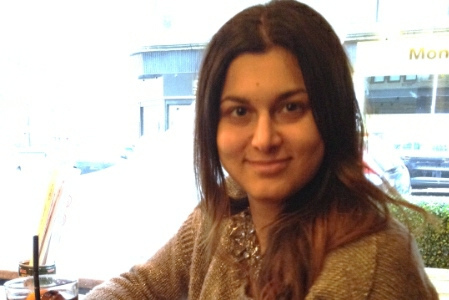
I know I have disappeared but you will understand why the next few months when I am able to show you the photos of our new house! I am so excited about…
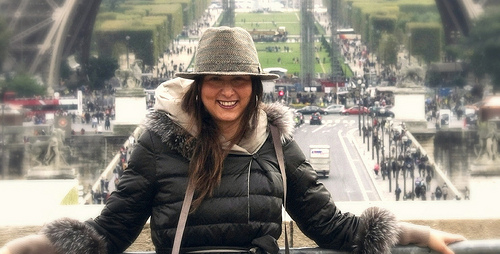
Hello my dear friends! I have had a very busy couple of months stressful and exciting as I am moving house and I could not be happier. Our beautiful house sold…
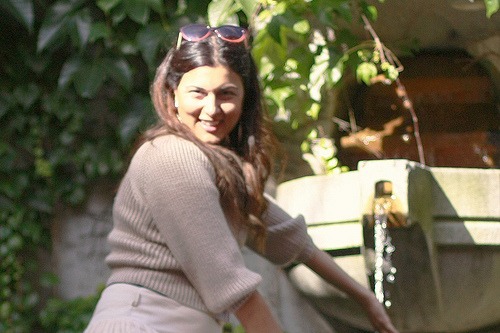
Welcome to Stockholm! Two weeks ago we spent a weekend in Stockholm my family and I. We really just had Saturday morning but it was a glorious sunny warm day and I…
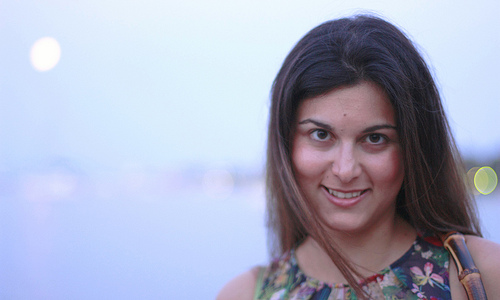
Hello everyone! I know I have been a bad girl but this summer has been so busy. I promise I will have more posts soon with all the exciting things we have…
Hello! I am Katerina. I grew up in the beautiful island of Corfu in Greece and I came to Glasgow in January 2006 to complete my postgraduate studies (I am a qualified…
Introduction Welcome to Greek Girl Glasgow [greekgirlglasgow.com]. This website is owned and operated by Katerina Vasilaki McKay. By visiting our website and accessing the information, resources, services, products, and tools we provide,…